Online Gaming: Exploring the Digital World of Entertainment
Updated: 28 Nov 2025
23
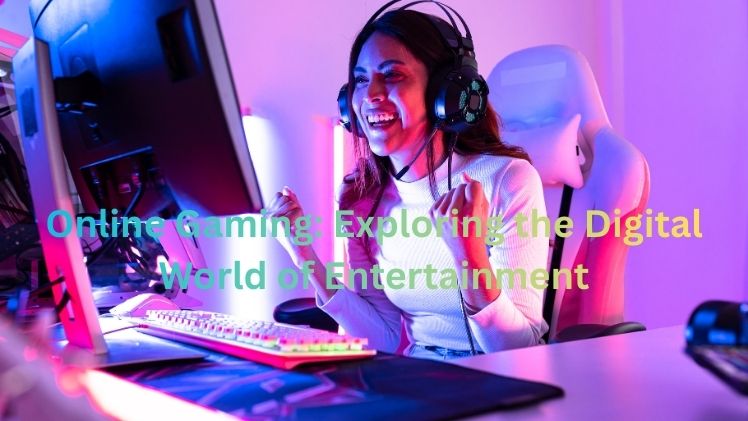
Online hoki123 login has rapidly transformed from a niche hobby into a global entertainment powerhouse. Millions of players worldwide engage daily in online games that range from competitive multiplayer battles to immersive virtual worlds. Online gaming offers players not only entertainment but also social interaction, creativity, and professional opportunities. Today, it stands as a vital part of digital culture and modern leisure.
This article explores the evolution, technological advances, social impact, and future trends of online gaming, highlighting why it continues to captivate audiences worldwide.
The Evolution of Online Gaming
Online gaming has evolved immensely, driven by advancements in technology and player demands.
1. The Early Era
In the 1980s and early 1990s, online gaming began with simple multiplayer games over local networks. Players connected to compete or cooperate remotely, laying the groundwork for today’s expansive online gaming environments.
2. LAN Parties and Competitive Communities
Games like Quake, Warcraft III, and Counter-Strike popularized LAN parties, where players gathered physically to compete in real-time matches. These events nurtured competitive gaming communities and established the foundation for professional eSports.
3. MMORPG Expansion
Massively Multiplayer Online Role-Playing Games (MMORPGs) such as World of Warcraft, RuneScape, and Final Fantasy XI introduced expansive, persistent virtual worlds. Players could embark on quests, form guilds, trade, and socialize in highly interactive digital environments.
4. Console Online Gaming
Xbox Live and PlayStation Network brought online multiplayer to consoles, allowing players to connect globally without physical boundaries.
5. Mobile Gaming Revolution
Mobile devices made gaming accessible to billions. Titles like PUBG Mobile, Call of Duty Mobile, Free Fire, and Clash Royale enabled players to enjoy high-quality online experiences anywhere, anytime.
6. Cloud Gaming & Cross-Platform Play
Cloud gaming platforms and cross-platform integration allow players to enjoy high-quality games on multiple devices without expensive hardware, expanding accessibility and connectivity.
Why Online Gaming Appeals to Millions
Online gaming’s popularity stems from its immersive, interactive, and social nature.
1. Immersive Gameplay
Online games offer engaging storylines, interactive worlds, and dynamic content that keep players entertained for hours.
2. Social Interaction
Gaming connects people globally. Players join teams, chat with friends, and participate in online communities, forming friendships and social networks.
3. Competitive Edge
Leaderboards, ranked matches, and eSports competitions motivate players to improve skills and achieve recognition, fueling competitive excitement.
4. Stress Relief
Gaming offers an engaging escape from daily routines, providing entertainment and relaxation in interactive digital worlds.
5. Accessibility
With PCs, consoles, and smartphones, online gaming is accessible to a wide audience, making it inclusive and universal.
Popular Online Gaming Genres
Online gaming encompasses a wide range of genres catering to diverse player interests.
1. Battle Royale
https://hoki123.com/ like Fortnite, PUBG, and Apex Legends focus on survival, where the last player or team standing wins, providing high-stakes excitement.
2. First-Person Shooters (FPS)
Titles such as Call of Duty, Valorant, and CS:GO demand precision, reflexes, and strategic planning, attracting competitive players.
3. MOBA (Multiplayer Online Battle Arena)
League of Legends and Dota 2 emphasize teamwork, strategy, and tactical skill, forming the foundation of professional eSports leagues.
4. MMORPGs
Elder Scrolls Online and Black Desert Online immerse players in expansive virtual worlds with quests, exploration, and social engagement.
5. Sandbox & Creative Games
Minecraft and Roblox encourage creativity, allowing players to build, explore, and share unique digital experiences.
6. Casual & Social Games
Games like Among Us, mobile puzzles, and card games provide fun, easy-to-access entertainment for casual gamers.
Technology Powering Online Gaming
Modern online gaming depends on advanced technology to deliver smooth, interactive, and visually stunning experiences.
1. High-Speed Internet
Reliable internet connections ensure real-time multiplayer interaction and reduce lag.
2. Game Engines
Engines like Unity, Unreal Engine, and Frostbite enable realistic graphics, physics, and immersive environments.
3. Artificial Intelligence
AI powers adaptive gameplay, smarter NPCs, matchmaking, and anti-cheat systems.
4. Cloud Gaming
Cloud services allow high-quality games to run on low-end devices, breaking hardware barriers and increasing accessibility.
5. VR & AR Technologies
Virtual and augmented reality immerse players in interactive worlds, creating lifelike and engaging experiences.
Cultural and Economic Impact
Online gaming has a significant influence on culture, social interactions, and the economy.
1. Multi-Billion Dollar Industry
The gaming industry generates billions annually, surpassing many traditional entertainment sectors.
2. Career Opportunities
Online gaming offers professional paths as eSports athletes, streamers, content creators, game developers, and tournament organizers.
3. Community Engagement
Online gaming fosters strong communities through forums, Discord servers, and social media, enabling collaboration and shared experiences.
4. Cognitive and Educational Benefits
Gaming enhances problem-solving, reflexes, strategic thinking, memory, and teamwork. Educational gamification uses these principles for interactive learning.
5. Influence on Pop Culture
Games shape music, fashion, movies, memes, and social trends, making online gaming a major cultural force.
The Future of Online Gaming
The future of online gaming promises innovation, connectivity, and immersive experiences.
1. Metaverse Integration
Players will explore interconnected digital worlds where gaming, social interaction, and commerce seamlessly blend.
2. AI-Powered Personalization
AI will adapt games to player behavior, offering dynamic challenges and personalized experiences.
3. Ultra-Realistic Graphics
Next-generation graphics and physics will enhance immersion and realism.
4. Seamless Cross-Platform Play
Gamers will interact across PCs, consoles, and mobile devices in unified environments.
5. Growth of eSports
Competitive gaming will expand, with larger tournaments, higher prize pools, and global recognition.
6. Haptic Feedback & Wearable Tech
Future technologies will allow players to feel in-game actions, increasing immersion and creating lifelike experiences.
Conclusion
Online gaming has transformed entertainment, creating social connections, fostering creativity, and providing endless opportunities for enjoyment and competition. It connects casual players and professional eSports athletes alike, offering immersive, interactive experiences that redefine modern leisure. As technology continues to evolve, online gaming will only grow in influence, delivering richer, more engaging, and innovative experiences for players worldwide.
Please Write Your Comments